
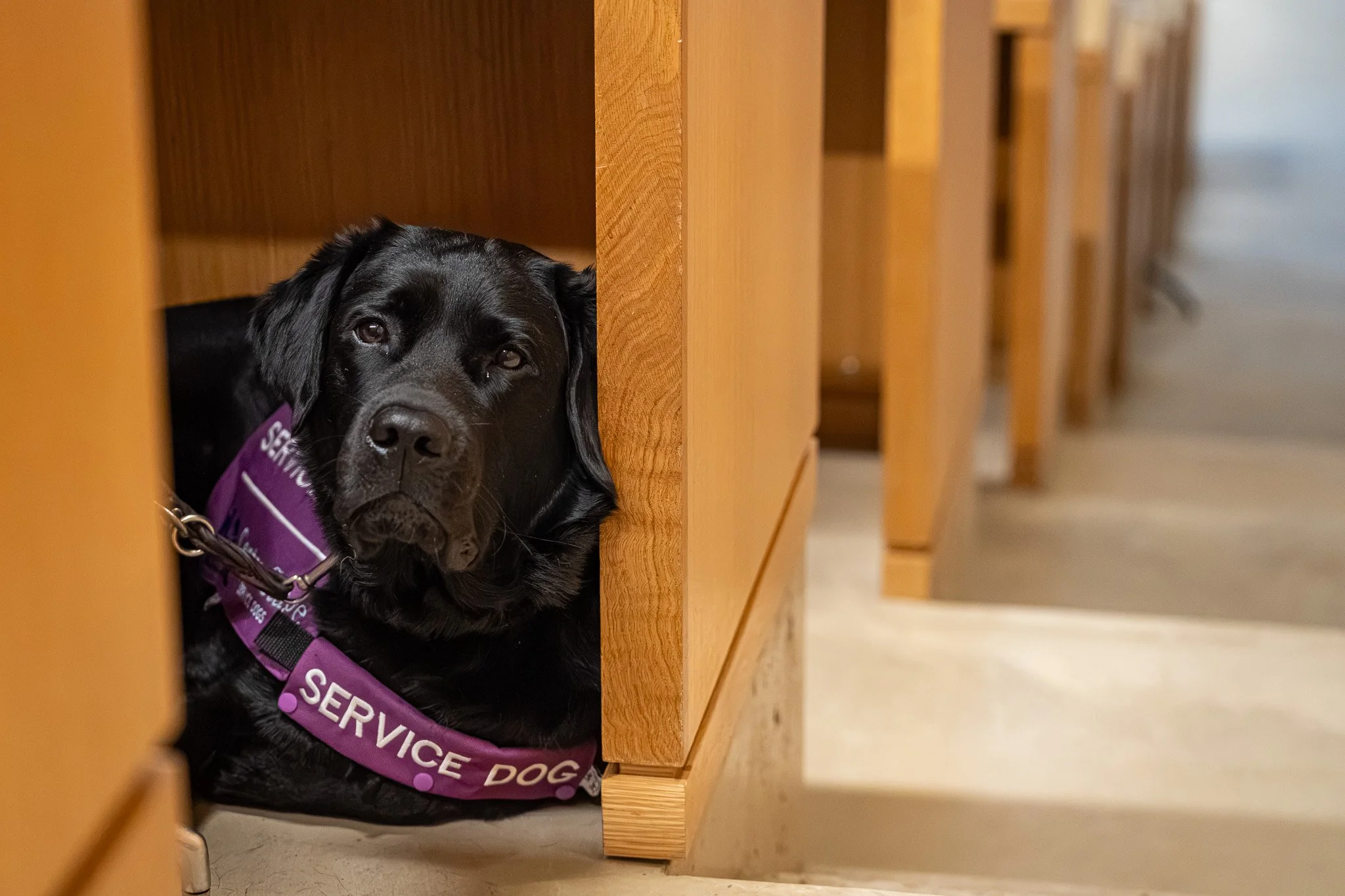
November is National Diabetes Awareness month, and this month we are spreading education on Type 1 diabetes and highlighting the process of training and receiving a diabetic alert dog.
Type 1 Diabetes
Type 1 diabetes is an autoimmune disease that causes the body to attack the pancreas cells that produce insulin, resulting in little to no insulin production. Individuals living with this disease must do the job of their pancreas manually, every day for the rest of their life. This requires them to monitor their blood glucose constantly, administer the correct amount of insulin before meals, run basal insulin throughout the day, and treat low and high blood sugars to remain in a safe range. Out of range blood sugars can be fatal, making managing this disease a full time job, twenty four hours a day.
Current technology such as continuous glucose monitors (CGMs) and insulin pumps are incredible advancements that help to monitor blood sugar and dose insulin without the need for daily, manual injections. However, this technology is far from perfect and still requires constant monitoring.
Current technology works off interstitial fluid which can cause blood glucose readings to drastically lag behind real time blood sugar changes happening in the body. This can lead to delayed knowledge of highs and lows and even potentially incorrect corrections. This is where diabetic alert dogs come into play!
What is a Diabetic Alert Dog?
Diabetic alert dogs are medical alert service dogs that detect and alert to changes in their handler’s blood glucose levels. These dogs have been trained to use scent to detect chemical changes in the body that are released when blood sugar fluctuates above or below the “normal” range. These alerts often provide warning before technology even shows a change in blood sugar, allowing for an extra layer of protection and management to help prevent dangerous changes. Diabetic alert dogs provide an extra layer of alerts, independence, and support for their handlers.
From Puppy to Service Dog at CSSD
For our diabetic alert dogs at Centre Stage Service Dogs (CSSD), and most program trained diabetic alert dogs, the journey starts with ethical breeding in health, temperament, and genetics. We are incredibly lucky to get our dogs from a preservation breeder who prioritizes health and temperament.
Our future service dogs are selected around eight weeks old using a specialized temperament test. From here they go home and are raised by a trainer all the way until placement. The focus of these two years includes socialization, learning manners, scent imprinting, and eventually public access training and formal alerts for high and low blood sugars. At around a year to a year and a half our dogs are tentatively matched to their recipient.
This model of having trainers raise the puppies from the start allows our dogs to begin medical-alert scent training early on, continuously evaluate suitability for service work, and customize training for recipients early on. When it’s time for placement, dogs and handlers undergo a two week transfer training to learn how to live and work together. Upon placement, diabetic alert dogs are able to alert to low and high blood sugars based on their trained threshold.
Diabetic alert dogs are quietly changing lives every day. And behind every alert is years of hard work and dedication to a strong partnership between handler and dog. These dogs bring increased safety, confidence, and independence that technology alone cannot replace.
When asked how the addition of a diabetic alert dog has changed her life, one of our handlers said it perfectly, “Having Astro in my life has been transformative in ways I never anticipated…Most importantly, he has given me the confidence to step back out into the world. He isn't just a medical tool; he is a partner who has helped me reclaim parts of my life I thought I had lost.”
This is the true impact of a service dog. A diabetic alert dog becomes part of someone’s independence, not just in the big moments but in the everyday tasks like going to the store, taking a walk alone, and having the confidence to return to daily activities.
Support CSSD
It costs approximately $60,000 over two years to select, raise, train, and place every diabetic alert dog. At CSSD, our goal is to reduce the financial barriers and ultimately increase access to provide diabetic alert service dogs to qualified recipients. As a growing nonprofit, community partnerships are essential to making our mission possible. Every contribution supports our mission.
This month during World Diabetes Month we are aiming to raise $5,000 to support our mission of training and placing diabetic alert dogs with individuals living with Type 1 diabetes. Whether it’s a donation, a match gift sponsor, or simply sharing our mission, your support allows us to train and place these life changing dogs!
To donate to our November Fundraiser, please visit the below link: