
Everything New Puppy Parents Should Know For Those First Weeks!
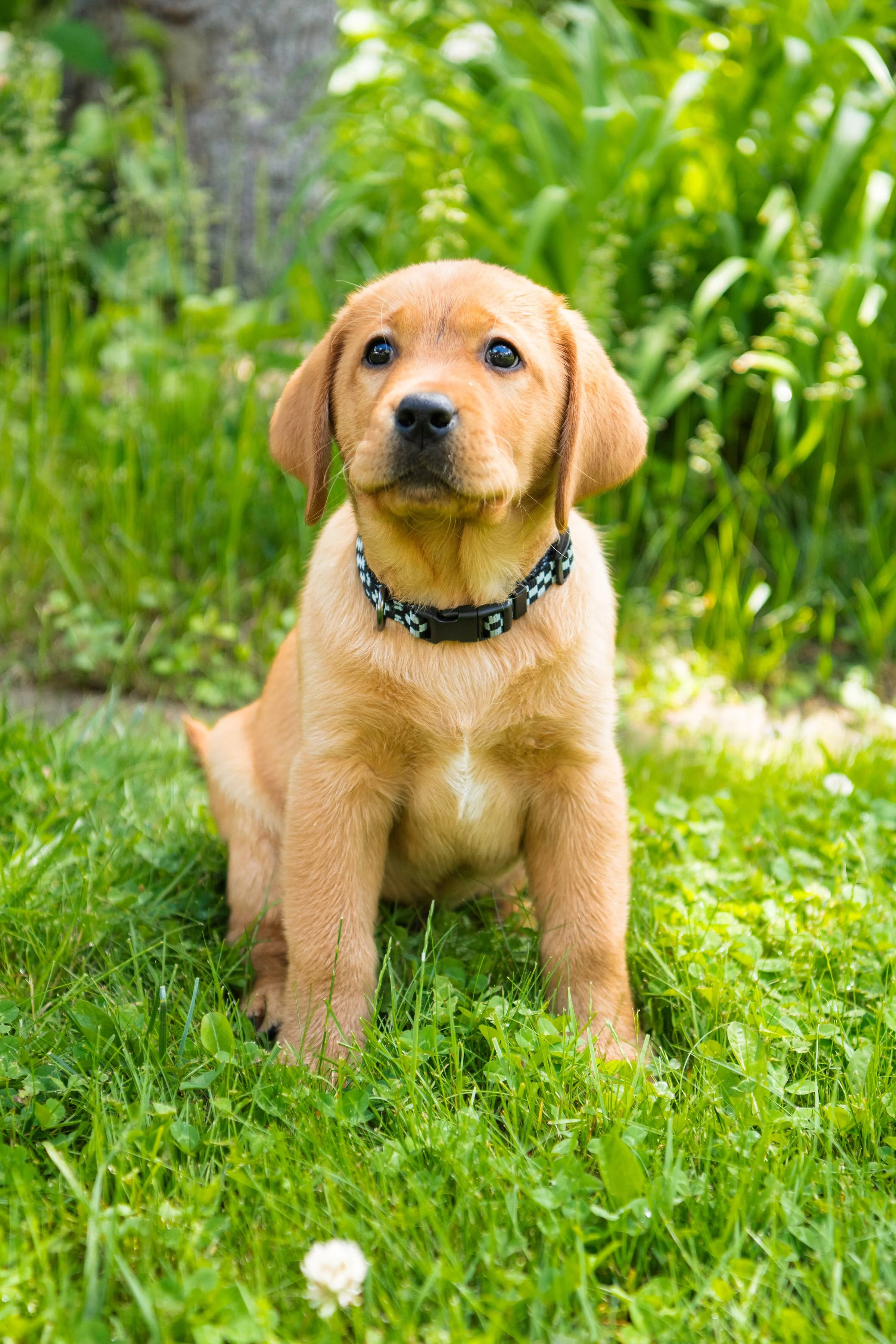
Bringing home a new puppy is incredibly exciting, but once they’re home it can quickly turn to very overwhelming.
Leading up to your new puppy, you're imagining puppy snuggles, neighborhood walks, and maybe even patio dates with friends or going to watch your kids at weekend sports. Then all of a sudden you’re alternating between brief moments of peace while the puppy naps, mystery pee on the floor, and while you’re cleaning that they’ve stolen a sock and are racing around the house. And, we could never forget the nightly witching hour. The one where your adorable puppy turns into a velociraptor just as you want to wind down for the night.
The good news? There is so much you can do to help, you should enjoy puppyhood and raise a pup that you can enjoy life with! So here’s everything I wish my clients knew before and during those first few weeks with their puppy!
1. Remember: They're a Puppy!
While this sounds obvious, it’s easy to forget! Especially if you’ve never had a puppy or have had an adult dog in the home for awhile.
This is your reminder that puppies don't come home knowing:
Where to go potty
What furniture they're allowed on
What to chew on
How to walk on a leash
How to interact with humans, especially new ones
Shoes and table legs aren't chew toys
Any of our human obedience cues mean
They're learning an entirely new world, and this is part of the fun of puppyhood. Focus on what you DO want your puppy to do, setting them up to practice the long term habits you want, and enjoy the process. Remember, every experience is new to them, it’s your job to teach them how to feel about it!
2. Puppy-Proof Your Home, More Than You Think
Before your puppy arrives, puppy proof your home to help build appropriate house manners and keep your puppy safe. Here are a few things to do before your puppy comes home:
Create safe spaces such as an x-pen, crate, or gated puppy-proofed areas
Move and secure cords, cleaning supplies, toys, houseplants, and medications
Secure trash cans, I recommend having covered trash cans if they are out in the open
Keep treat stations around the house
Management prevents mistakes. The fewer opportunities your puppy has to rehearse unwanted behaviors, the easier training becomes. Click here to check out our puppy proofing checklist
3. Create a Safe Space to Contain Your Puppy
Every puppy needs a place where they can rest and decompress. This also doubles as a place to put your puppy when you can’t give them 100% of your attention. This will keep them safe and build the habits you do want, instead of allowing them to practice unwanted behaviors. A safe space can be a small puppy proofed room, an x-pen, crate, or a combination of them.
This safe space helps with all areas of puppy training, including potty training, preventing house manners issues such as chewing, counter surfing, and stealing items, teaching settling, and encouraging decompression.
Puppies need far more sleep than most people realize, 18–20 hours a day. When a new puppy parent calls and tells me their puppy is out of control, my first thought is you have an overtired puppy!
4. Start Potty Training Immediately
Potty training begins the moment your puppy comes home. Before your puppy comes home, choose a spot where you will want them to go to the bathroom. Your puppy will need to go out every 20-30 minutes at first, as well as when they wake up, after eating/drinking, after playing, and any time they have a large change in emotional state!
When you take your puppy outside, take them out on leash. Stand in one area and wait for them to potty. Once they go, reward them with lots of praise! If they do not potty after five minutes or so, bring them inside and put them in their safe space where you can closely watch them, bring them out again shortly after.
What if they have an accident? Take them outside, clean it up, and move on! They don’t know they should be going outside until we build up the habit, take it as information for what you need to adjust in your schedule.
5. Socialization Is More Than Saying Hello
Many people think socialization means letting every person and dog interact with their puppy. In fact, this is the biggest tip that leads to behavior problems later on. Instead, focus your socialization on helping your puppy safely experience the world by passively observing while building positive associations.
Examples include:
Watching children play while rewarding them
Hearing traffic while rewarding them
Visiting outdoor shopping areas, sit at a distance and reward or offer a frozen food toy
Walking on different surfaces
Meeting friendly people who will respect your puppies interaction preference
Seeing bicycles and strollers
Hearing thunder recordings
Visiting the veterinarian just for treats
6. Teach Calmness Before Obedience
Many owners immediately start teaching tricks like sit, down, and paw. Those are fun—but don't overlook the life skills.
Spend time rewarding your puppy for:
Relaxing quietly
Settling on a mat
Ignoring distractions
Waiting patiently
Choosing to check in with you
Having their paws, ears, and bodies touched
These behaviors will become far more valuable than flashy tricks!
7. Prevent Problem Behaviors Before They Start, You Can’t DO a Don’t
Puppies aren't trying to be "bad." They aren’t spiteful, and they aren’t trying to make you feel overwhelmed. They're simply doing what works.
If jumping gets attention, they'll jump. If barking gets a response, they'll bark. If chewing on the chair feels good, they'll chew. Instead of constantly correcting behavior, ask yourself: "What would I rather my puppy do instead?" and set them up to practice that instead! This is where the puppy safe space comes into play!
Every interaction is a training opportunity. Training doesn't only happen when you want it to, your puppy is always learning!
8. Don’t Forget Enrichment!
Meeting your puppies species specific needs with mental stimulation will help relaxation and reduce boredom behaviors. Some of our go to enrichment activities include:
Food puzzles
Snuffle mats
Frozen enrichment toys
Scatter feeding
Nose work games
Training sessions
Puppy chew toys
Mental enrichment builds confidence while helping reduce boredom and unwanted behaviors! Plus, it is time when your puppy is working on something appropriate independently, so you can get things done!
9. It’s Okay To Be Overwhelmed Sometimes!
Some days your puppy will seem like a genius. The next day they'll act like they've forgotten everything, or seem like nothing is working. This is normal, take a step back and work at a level that you and your puppy can be successful at.
Learning happens in stages, and puppies go through developmental changes that affect their attention, confidence, and behavior. Stay patient, consistent, and celebrate the small wins. Work with a qualified trainer to support you through puppyhood!
How To Work With CSDT
At Centre Stage Dog Training, we believe raising a puppy shouldn't feel overwhelming. With the right guidance, support, and training, you can enjoy the journey and raise a dog that's confident, adaptable, and a joy to live with.
If you're bringing home a new puppy, or you've recently welcomed one into your family, we'd love to help you get started on the right paw. We offer a range of puppy programs including done-for-you training, private lesson packages, or partner with our local training school for intro group classes! Check our our puppy programs here: https://centrestagedogtraining.com/puppy-training-and-socialization